How to Build a Hair Growth Routine for Thinning Hair
How to Build a Hair Growth Routine for Thinning Hair
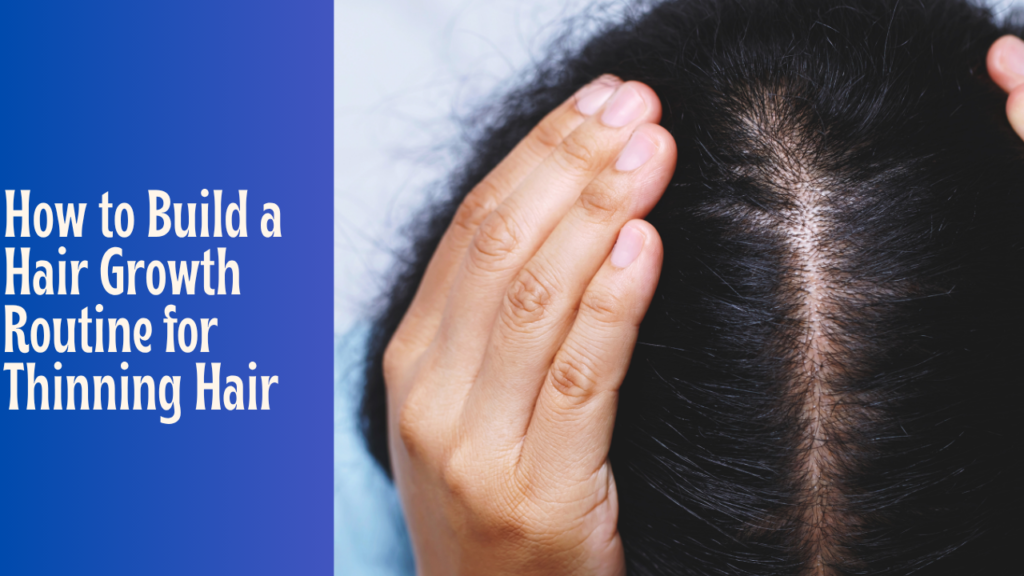
Thinning hair is one of those things that can creep up slowly enough that you don’t notice it until a photo, a hairstylist, or a wider-than-usual part catches you off guard. The good news is that for a lot of people, thinning hair responds well to a consistent routine — it just takes the right combination of habits, products, and patience, since hair growth is a slow process by nature.
This guide walks through how to build a routine step by step, from the basics of understanding why hair thins to the products and habits worth building around it.
Start by Understanding Why Hair Thins
Before building a routine, it helps to have a rough idea of what’s driving your hair loss, since the right approach can differ depending on the cause. Common contributors include:
- Genetics – Androgenetic alopecia (pattern hair loss) is the most common cause in both men and women, and it’s progressive without treatment.
- Hormonal changes – Pregnancy, postpartum shifts, menopause, or thyroid conditions can all affect hair density.
- Stress or illness – Telogen effluvium is a temporary shedding phase that can follow a stressful event, surgery, illness, or rapid weight change, often showing up two to three months later.
- Nutrient deficiencies – Low iron, vitamin D, or protein intake can weaken hair growth cycles.
- Styling and heat damage – Tight hairstyles, frequent heat styling, and harsh chemical treatments can cause breakage that looks like thinning even when the hair follicle itself is healthy.
If your thinning has been sudden, patchy, or accompanied by other symptoms like fatigue or scalp irritation, it’s worth seeing a dermatologist before building a routine — hair loss can be a sign of an underlying condition, and treating the cause directly is more effective than any routine alone.
Step 1: Get the Foundations Right
A hair growth routine works best on top of a healthy scalp and body, not instead of one.
- Eat enough protein. Hair is made primarily of keratin, a protein, and chronically low protein intake can push more hairs into the shedding phase.
- Check key nutrient levels. Iron, vitamin D, zinc, and biotin all play a role in healthy hair growth. A simple blood panel from your doctor can flag any deficiencies worth correcting.
- Manage stress where you can. Chronic stress is linked to increased shedding, so sleep, movement, and stress management genuinely belong in a hair routine, even if they don’t feel like “hair care.”
- Be gentle with styling. Tight ponytails, frequent heat tools, and harsh brushing can cause breakage that compounds any existing thinning.
Step 2: Build a Scalp-First Cleansing Routine
Healthy hair growth starts at the scalp, since that’s where hair follicles live.
- Wash regularly, not excessively. A clean scalp supports healthy follicles, but over-washing can strip natural oils and irritate the scalp. Most people do well washing every 2–3 days, adjusted for hair type and oil production.
- Use a gentle, sulfate-free shampoo. Harsh sulfates can dry out and irritate the scalp over time.
- Exfoliate occasionally. A scalp scrub or exfoliating shampoo once every week or two can help clear buildup from oil, product, and dead skin that can clog follicles.
- Massage while you wash. Scalp massage is a low-cost habit that may help increase blood flow to hair follicles, and it takes less than a minute added to your normal shower routine.
Step 3: Add Targeted Treatments
This is where most hair growth routines earn their results — consistent use of ingredients with real evidence behind them.
- Minoxidil. The most well-studied over-the-counter treatment for thinning hair, available in topical form for both men and women. It requires consistent daily use, and results typically take 4–6 months to become visible.
- Scalp serums with peptides or caffeine. Many newer scalp serums use peptides or caffeine to support the hair growth cycle. Evidence varies by ingredient, so look for products that list clinical studies rather than vague growth claims.
- Prescription options. For pattern hair loss, a dermatologist may discuss options like finasteride (for men) or spironolactone (sometimes used off-label for women), both of which work differently from topical treatments and require a prescription.
- Consistency matters more than intensity. Whatever treatment you choose, hair growth products only work with consistent, long-term use — most show minimal difference before the three-month mark.
Step 4: Support Growth With the Right Hair Care Habits
Beyond treatments, your day-to-day hair care habits either support or work against a growth routine.
- Use a wide-tooth comb on wet hair, since hair is most fragile when wet and prone to breakage.
- Limit heat styling, or always use a heat protectant when you do style with hot tools.
- Choose looser hairstyles. Tight buns, ponytails, and braids worn daily can cause traction alopecia over time.
- Trim regularly. Trims don’t make hair grow faster, but they prevent split ends from breaking further up the strand, which helps hair look fuller and healthier as it grows.
- Protect hair from sun and chlorine damage, both of which can weaken hair over time.
Step 5: Track Progress and Be Patient
Hair grows in cycles, and it’s normal to lose 50–100 hairs a day as part of the natural growth cycle. Because of this, thinning hair routines take real patience:
- Take monthly photos of your part or hairline in the same lighting to track subtle changes objectively, since day-to-day differences are hard to judge in the mirror.
- Give any new routine at least 3–6 months before deciding whether it’s working, since that’s roughly how long a hair growth cycle takes to show visible results.
- Expect gradual, not dramatic, change. A successful routine usually shows up as reduced shedding and finer new growth first, with fuller-looking hair following over time.
Sample Weekly Routine
Daily:
- Apply minoxidil or your chosen topical treatment (both morning and evening, per product instructions)
- Gentle scalp massage while showering (on wash days) or standalone for 1–2 minutes
- Heat protectant before any hot tool use
2–3 times a week:
- Wash with a sulfate-free shampoo
- Follow with a lightweight conditioner focused on mid-lengths and ends, not the scalp
Weekly:
- Scalp exfoliation or clarifying treatment
- Deep conditioning mask for length and ends
Monthly:
- Progress photo in consistent lighting
- Trim if ends are visibly damaged or split
When to See a Professional
A home routine can meaningfully improve mild to moderate thinning, but it’s worth seeing a dermatologist if:
- Hair loss is sudden, patchy, or comes with scalp pain, redness, or itching
- You’re losing hair in clumps rather than a gradual thinning pattern
- Over-the-counter treatments show no improvement after 6 months of consistent use
- Thinning is accompanied by other symptoms like fatigue, weight changes, or irregular periods, which can point to an underlying hormonal or thyroid issue
A dermatologist can run bloodwork, examine your scalp directly, and recommend prescription-strength treatments that go beyond what’s available over the counter.
Final Thoughts
Building a hair growth routine isn’t about finding one miracle product — it’s about stacking small, consistent habits: a healthy foundation of nutrition and stress management, a scalp-first cleansing routine, a treatment backed by real evidence, and styling habits that protect the hair you already have while new growth comes in. Give it time, track your progress objectively, and loop in a dermatologist if things aren’t improving after a few months of consistent effort.
This article is for general informational purposes and isn’t a substitute for personalized medical advice. If you’re experiencing significant or sudden hair loss, consider speaking with a doctor or dermatologist.