How to Get Rid of Dandruff Naturally 10 Effective Home Remedies That Actually Work
How to Get Rid of Dandruff Naturally10 Effective Home Remedies That Actually Work
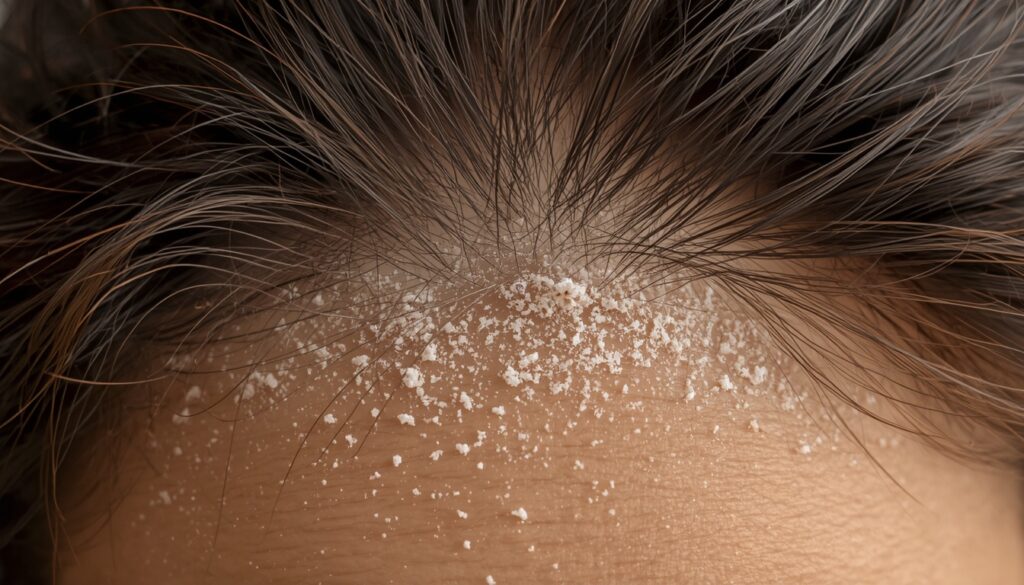
Dandruff is one of the most common and frustrating scalp conditions in the world — but it does not always require a trip to the pharmacy or expensive medicated shampoos to treat. Nature has provided some extraordinarily effective remedies that target the root causes of dandruff using ingredients you likely already have at home.
These 10 natural home remedies are backed by science, tested by millions of people, and genuinely effective for mild to moderate dandruff. The key is consistency — natural remedies take slightly longer than pharmaceutical treatments but are gentler, safer for regular use, and often address multiple scalp concerns simultaneously.
Understanding What Causes Dandruff Before You Treat It
Effective treatment starts with understanding the cause. Dandruff is primarily driven by:
- Malassezia yeast overgrowth — a naturally occurring fungus that grows excessively on oily scalps and triggers rapid skin cell turnover
- Excess sebum production — an oily scalp creates the perfect environment for Malassezia
- Scalp inflammation — chronic inflammation accelerates skin cell shedding
- Dry scalp — different from dandruff (smaller, white, dry flakes) but often confused with it
- Product buildup — residue from styling products clogs follicles and irritates the scalp
- Stress and poor diet — both worsen the body’s inflammatory response
The home remedies below target one or more of these root causes — which is why they work.
1. Tea Tree Oil — The Most Powerful Natural Antifungal
Effectiveness: Very High | Research Backed: Yes
Tea tree oil is the single most effective natural remedy for dandruff — and it is supported by genuine clinical research. A study published in the Journal of the American Academy of Dermatology found that a 5% tea tree oil shampoo reduced dandruff by 41% after just four weeks of use.
Why it works: Tea tree oil contains terpinen-4-ol — a compound with powerful antifungal and antibacterial properties that directly targets and reduces Malassezia overgrowth on the scalp.
How to use it:
Method 1 — Shampoo addition: Add 10–15 drops of 100% pure tea tree oil to your regular shampoo bottle. Shake well before each use. The dilution from the shampoo makes it safe for daily use.
Method 2 — Scalp treatment: Mix 5 drops of tea tree oil with 2 tablespoons of coconut or jojoba oil. Part hair into sections and apply directly to the scalp. Massage gently for 5–10 minutes. Leave on for 30 minutes to 1 hour. Shampoo out thoroughly.
Method 3 — Tea tree spray: Mix 10 drops tea tree oil with 1 cup of distilled water in a spray bottle. Spray onto the scalp between washes. Allow to absorb — no rinsing required.
How often: 2–3 times per week for active dandruff. Once per week for maintenance.
Important: Never apply undiluted tea tree oil directly to the scalp — it is highly concentrated and can cause burns and irritation. Always dilute with a carrier oil or water.
Results timeline: Most people see significant reduction in dandruff within 2–4 weeks of consistent use.
2. Apple Cider Vinegar — The Scalp pH Balancer
Effectiveness: High | Research Backed: Moderate
Apple cider vinegar (ACV) is one of the most popular natural dandruff remedies — and its effectiveness is based on solid science. The scalp has a naturally acidic pH of around 5.5. Malassezia thrives in a more alkaline environment. Many shampoos and hair products are alkaline — which disrupts the scalp’s natural pH and creates conditions where dandruff-causing fungi flourish.
Why it works:
- Restores the scalp’s natural acidic pH — creating an inhospitable environment for Malassezia
- Acetic acid in ACV has proven antifungal properties
- Helps dissolve and remove flake buildup and excess oil from the scalp
- Reduces itching and inflammation
How to use it:
The ACV rinse (most popular method): Mix 2–4 tablespoons of raw, unfiltered apple cider vinegar (with “the mother” for maximum benefit) with 1 cup of water. After shampooing, pour the mixture over your scalp, massaging it in gently. Leave on for 3–5 minutes. Rinse thoroughly with cool water.
Pre-wash scalp treatment: Dilute ACV 1:1 with water. Apply to the scalp with a cotton ball or spray bottle. Leave for 15–20 minutes. Shampoo and condition as normal.
How often: 1–2 times per week.
Important: Always dilute ACV before applying to the scalp — undiluted vinegar is too acidic and can damage the scalp and hair. Do not use on broken, irritated, or scratched scalp skin.
Results timeline: Many people notice reduced itching and flaking within the first few uses. Significant improvement typically seen within 2–3 weeks.
3. Coconut Oil — The Antifungal Moisturiser
Effectiveness: High (particularly for dry scalp and mild dandruff) | Research Backed: Yes
Coconut oil has been used for centuries in Ayurvedic hair care — and modern science confirms its effectiveness. Research shows that coconut oil reduces Malassezia populations on the scalp, while simultaneously providing deep moisturisation that addresses the dry scalp component of dandruff.
Why it works:
- Contains lauric acid — a medium-chain fatty acid with powerful antifungal properties specifically shown to inhibit Malassezia growth
- Deeply moisturises and soothes an irritated, dry scalp
- Creates a barrier that reduces moisture loss from the scalp
- Has anti-inflammatory properties that reduce scalp redness and irritation
How to use it:
Basic coconut oil treatment: Warm 2–3 tablespoons of virgin coconut oil until liquid (30 seconds in the microwave or placed in warm water). Apply to the scalp in sections using your fingertips. Massage gently for 5–10 minutes. Leave on for 30–60 minutes — or overnight for deep treatment. Shampoo out thoroughly (may require double shampooing to fully remove).
Coconut oil and lemon juice treatment: Mix 2 tablespoons of coconut oil with 1 teaspoon of fresh lemon juice. The lemon juice provides additional antifungal action and mild scalp exfoliation. Apply, leave for 20–30 minutes, then shampoo out.
Coconut oil and tea tree treatment: Add 5 drops of tea tree oil to 2 tablespoons of coconut oil. This combination is particularly effective for stubborn, fungal-driven dandruff.
How often: 1–2 times per week.
Note: Coconut oil is best for dry scalp types and mild dandruff. For oily scalp dandruff, coconut oil may worsen conditions by adding more oil — use jojoba oil (which mimics scalp sebum without clogging) instead.
4. Aloe Vera — The Soothing Anti-Inflammatory
Effectiveness: Moderate–High | Research Backed: Yes
Aloe vera’s reputation as a skin soother is fully earned — and its benefits extend powerfully to the scalp. Clinical research has demonstrated aloe vera’s effectiveness against several fungal species including Malassezia, while its anti-inflammatory properties address the scalp inflammation that drives dandruff activity.
Why it works:
- Contains anthraquinones with antifungal properties that inhibit Malassezia growth
- Powerfully anti-inflammatory — reduces the scalp inflammation that triggers rapid skin cell shedding
- Salicylic acid content gently exfoliates dead skin cells and flake buildup
- Deeply hydrating without clogging pores or adding excess oil
- Soothes itching almost immediately upon application
How to use it:
Pure aloe vera scalp treatment: Apply pure aloe vera gel (fresh from an aloe plant or 100% pure store-bought) directly to the scalp. Work in sections, applying gel from the cut end of an aloe leaf directly to the scalp — the fresh gel is most potent. Leave on for 30 minutes to 1 hour. Rinse and shampoo as normal.
Aloe vera and tea tree combination: Mix 3 tablespoons aloe vera gel with 5 drops tea tree oil. Apply to scalp, leave for 30 minutes, rinse thoroughly. This combination addresses both inflammation and fungal overgrowth simultaneously.
Aloe vera leave-in spray: Mix 2 tablespoons aloe vera gel with 1 cup of water in a spray bottle. Shake well. Spray lightly onto the scalp between washes. The diluted aloe provides ongoing antifungal and anti-inflammatory benefit without buildup.
How often: 2–3 times per week.
Results timeline: Soothing effects (reduced itching) often felt immediately. Flaking reduction typically seen within 2–4 weeks.
5. Baking Soda — The Exfoliating Antifungal
Effectiveness: Moderate | Research Backed: Yes
Baking soda (sodium bicarbonate) is a surprisingly effective dandruff remedy — particularly for reducing the flake buildup and excess oiliness that exacerbate dandruff symptoms.
Why it works:
- Gentle exfoliant that physically removes dead skin cells and flake buildup from the scalp
- Research published in Mycoses journal shows baking soda inhibits fungal growth — including species closely related to Malassezia
- Absorbs excess oil from the scalp
- Slightly alkaline — helps balance an overly acidic scalp environment (less common but relevant for some)
How to use it:
Scalp scrub: Mix 1–2 tablespoons of baking soda with enough water to form a paste. Apply to wet hair and scalp. Massage gently in circular motions for 1–2 minutes. Leave on for 1–2 minutes. Rinse thoroughly and follow with conditioner on hair lengths.
Shampoo addition: Add 1 teaspoon of baking soda to your handful of shampoo before applying. The combination cleanses and exfoliates simultaneously.
How often: Once per week maximum. Overuse disrupts the scalp’s pH balance and can cause dryness.
Important: Always follow baking soda treatments with an apple cider vinegar rinse (diluted) or a good conditioner on the hair lengths. The alkalinity of baking soda can temporarily raise the hair cuticle — the acidic ACV rinse restores balance.
6. Neem Oil — Ancient Ayurvedic Antifungal
Effectiveness: Very High | Research Backed: Yes
Neem has been used in Ayurvedic medicine for thousands of years to treat scalp conditions — and modern research confirms its extraordinary antifungal and anti-inflammatory properties. Neem oil contains nimbidin and nimbin — active compounds with proven effectiveness against Malassezia and other fungal species.
Why it works:
- Nimbidin is one of the most powerful natural antifungal agents known — specifically effective against Malassezia species
- Anti-inflammatory properties reduce the scalp inflammation that causes rapid skin cell turnover
- Antibacterial properties address secondary bacterial infections that sometimes accompany dandruff
- Conditions and nourishes the scalp while treating the fungal overgrowth
How to use it:
Diluted scalp treatment: Mix 1 tablespoon of neem oil with 2–3 tablespoons of coconut or jojoba oil (neem is very concentrated and strong-smelling — dilution is essential). Apply to scalp in sections and massage gently. Leave on for 30–60 minutes. Shampoo out thoroughly.
Neem shampoo: Add 10–15 drops of pure neem oil to your shampoo bottle. The shampoo dilutes it to a safe concentration for regular scalp application.
Neem and tea tree combination: Mix 5 drops neem oil + 5 drops tea tree oil + 3 tablespoons jojoba oil. This is one of the most powerful natural antifungal scalp treatments available.
How often: 1–2 times per week.
Note: Neem oil has a very strong, distinctive smell (similar to sulfur or peanuts). Mixing with a few drops of lavender or peppermint essential oil makes it significantly more pleasant without reducing effectiveness.
7. Lemon Juice — The Natural Clarifier
Effectiveness: Moderate | Research Backed: Limited but Supporting
Fresh lemon juice is a traditional dandruff remedy that works through multiple mechanisms — its natural acidity, antifungal citric acid content, and gentle exfoliating properties make it effective for mild dandruff and flake removal.
Why it works:
- Citric acid has mild antifungal properties
- The acidic nature helps restore scalp pH balance
- Gentle chemical exfoliant that dissolves flake buildup
- Vitamin C content supports scalp health and reduces oxidative stress
How to use it:
Direct application: Apply fresh lemon juice (from 1–2 lemons) directly to the scalp using your fingertips or a cotton ball. Massage gently. Leave for 5–10 minutes. Rinse and shampoo as normal.
Lemon and coconut oil treatment: Mix 2 tablespoons coconut oil with 1 tablespoon fresh lemon juice. Apply to scalp, leave 20–30 minutes, shampoo out.
Lemon water rinse: Squeeze 1 lemon into 1 cup of water. Use as a final rinse after shampooing. Leave on — do not rinse out.
How often: Once or twice per week.
Important:
- Always use fresh lemon juice — bottled versions are less effective and may contain preservatives
- Do not use on a broken or scratched scalp
- Avoid sun exposure for several hours after applying lemon juice — it increases photosensitivity
- Rinse thoroughly to prevent over-drying
8. Rosemary Oil — The Hair Growth and Scalp Health Champion
Effectiveness: Moderate–High | Research Backed: Yes
Rosemary oil has earned extraordinary recognition in recent years after research showed it to be as effective as minoxidil for hair growth stimulation. Less well-known is its significant antifungal and anti-inflammatory activity that makes it highly effective for dandruff treatment.
Why it works:
- Contains rosmarinic acid and carnosic acid — compounds with antifungal properties effective against multiple fungi species
- Powerful anti-inflammatory that reduces the scalp inflammation driving dandruff
- Improves blood circulation to the scalp — supporting follicle health and the immune response that keeps Malassezia populations controlled
- Antioxidant properties protect scalp cells from oxidative damage
How to use it:
Rosemary scalp oil: Mix 5 drops rosemary essential oil with 2 tablespoons jojoba oil. Massage into scalp for 5–10 minutes. Leave on for at least 30 minutes or overnight. Shampoo out.
Rosemary and peppermint combination: Mix 5 drops rosemary + 3 drops peppermint + 2 tablespoons jojoba oil. One of the most effective natural scalp treatments for both dandruff and hair growth.
Rosemary water rinse: Boil a handful of fresh rosemary sprigs in 2 cups of water for 10 minutes. Cool completely. Use as a scalp rinse after shampooing — pour over scalp and massage in. Do not rinse out.
How often: 2–3 times per week for active dandruff.
9. Onion Juice — The Sulfur-Rich Scalp Treatment
Effectiveness: Moderate | Research Backed: Limited but Traditional
Onion juice is one of the most traditional scalp treatments in the world — and while the smell is challenging, the results make it worthwhile for many people with persistent dandruff.
Why it works:
- High sulfur content has antifungal and antibacterial properties
- Quercetin (a powerful antioxidant in onions) reduces scalp inflammation
- Rich in sulfur compounds that nourish hair follicles and strengthen hair strands
- Improves scalp blood circulation
How to use it:
Basic onion juice treatment: Blend or grate 1 medium onion and squeeze through cheesecloth to extract the juice. Apply the juice to the scalp using a cotton ball or fingertips. Massage gently. Leave on for 15–30 minutes. Rinse thoroughly with water first, then shampoo at least twice to remove the smell.
Onion juice and honey treatment: Mix 2 tablespoons onion juice with 1 tablespoon honey. The honey adds antibacterial properties and slightly mitigates the smell. Apply and leave for 20–30 minutes.
How often: Once or twice per week.
Managing the smell: Add a few drops of lavender or peppermint essential oil to the onion juice before applying. Shampoo thoroughly and rinse with diluted ACV after to neutralise any residual odor.
10. Green Tea Rinse — The Antioxidant Scalp Treatment
Effectiveness: Moderate | Research Backed: Moderate
Green tea’s extraordinary antioxidant content — particularly EGCG (epigallocatechin gallate) — makes it an effective and pleasant natural scalp treatment for dandruff.
Why it works:
- EGCG has demonstrated antifungal activity against multiple fungal species in laboratory studies
- Powerful anti-inflammatory properties reduce the scalp inflammation that triggers dandruff
- Reduces DHT levels on the scalp — DHT contributes to scalp inflammation and sensitivity
- Tannins in green tea have astringent properties that reduce excess oil production
- Polyphenols protect scalp cells from oxidative damage
How to use it:
Green tea scalp rinse: Brew 2–3 green tea bags (or 2 teaspoons loose leaf) in 2 cups of boiling water. Steep for 10 minutes. Allow to cool completely to room temperature. Pour over scalp and hair after shampooing. Massage into scalp for 1–2 minutes. Leave on for 5–10 minutes, then rinse.
Green tea and apple cider vinegar rinse: Mix 1 cup cooled green tea with 1 tablespoon apple cider vinegar. Use as a final rinse after shampooing for combined antifungal and pH-balancing benefits.
How often: 2–3 times per week.
Why green tea is an easy addition: Unlike some other remedies on this list, green tea has no strong smell, no irritation risk at normal concentrations, and requires virtually no preparation time. It is one of the easiest natural dandruff remedies to incorporate consistently.
Which Remedy Should You Start With?
For the fastest and most effective results: Start with tea tree oil (most clinical evidence) combined with apple cider vinegar rinses (pH balance and antifungal). This combination addresses the two primary causes of dandruff simultaneously.
For the gentlest approach (sensitive scalp): Start with aloe vera (soothes and treats without irritation) combined with coconut oil (antifungal and moisturising).
For the most stubborn dandruff: Use the neem and tea tree combination — the most powerful natural antifungal combination available.
Quick reference guide:
| Remedy | Best For | How Often |
|---|---|---|
| Tea Tree Oil | Fungal dandruff | 2–3x per week |
| Apple Cider Vinegar | pH balance, oiliness | 1–2x per week |
| Coconut Oil | Dry scalp, mild dandruff | 1–2x per week |
| Aloe Vera | Inflammation, sensitive scalp | 2–3x per week |
| Baking Soda | Buildup, oily scalp | 1x per week |
| Neem Oil | Stubborn fungal dandruff | 1–2x per week |
| Lemon Juice | Mild dandruff, clarifying | 1–2x per week |
| Rosemary Oil | Dandruff + hair growth | 2–3x per week |
| Onion Juice | Persistent dandruff | 1–2x per week |
| Green Tea | Inflammation, maintenance | 2–3x per week |
Tips for Maximum Effectiveness
Be consistent: Natural remedies require regular, consistent application to produce results. Most people see significant improvement within 2–4 weeks of consistent use.
Treat the whole scalp: Apply remedies to the entire scalp in sections — not just the visible flaky areas. Malassezia is present across the whole scalp.
Manage stress: Chronic stress significantly worsens dandruff by suppressing immune function and increasing inflammation. Exercise, adequate sleep, and stress management practices are genuinely part of effective dandruff treatment.
Improve your diet: Reduce sugar and processed foods (which feed yeast and promote inflammation). Increase zinc-rich foods (pumpkin seeds, chickpeas), omega-3 fatty acids (salmon, walnuts), and B vitamins (eggs, leafy greens).
Wash your hair frequently enough: For oily scalp dandruff, washing every 1–2 days removes the excess sebum that Malassezia feeds on. Inadequate washing is a genuine contributing factor.
Change your pillowcase frequently: Pillowcases accumulate dead skin cells, oil, and fungi. Changing every 2–3 days reduces scalp recontamination overnight.
When to See a Doctor
Natural remedies are effective for mild to moderate dandruff. See a dermatologist if:
- Dandruff is severe or covers large areas
- There is significant redness, thick yellow-orange crust, or oozing
- Flaking has spread to the face, ears, or chest (possible seborrhoeic dermatitis)
- Natural remedies have not improved symptoms after 6 weeks of consistent use
- You notice significant hair loss alongside the dandruff
A dermatologist can prescribe prescription-strength treatments including 2% ketoconazole, topical corticosteroids, or oral antifungal medication for severe cases.
Final Thoughts
Getting rid of dandruff naturally is completely achievable for most people — using ingredients that are affordable, accessible, and safe for regular long-term use. The remedies in this guide address the root causes of dandruff rather than just masking the symptoms.
Choose the remedy (or combination) that best fits your dandruff type and lifestyle. Apply it consistently for at least 4 weeks before evaluating results. And remember — a healthy diet, good stress management, and adequate hydration support every topical treatment you apply.
A flake-free, healthy scalp is within reach — naturally. Start today.