How to Deal With Anxiety: Practical Ways to Feel Calm and in Control
Anxiety is a common experience that affects millions of people worldwide. It can show up as constant worry, racing thoughts, restlessness, or physical symptoms like a rapid heartbeat and tight chest. While anxiety can feel overwhelming, the good news is that there are effective ways to manage it and regain a sense of calm and control.
Understanding Anxiety
Anxiety is your body’s natural response to stress or danger. In small amounts, it can help you stay alert and focused. However, when anxiety becomes persistent or intense, it can interfere with daily life, relationships, and overall well-being.
Recognizing that anxiety is real—and manageable—is the first step toward dealing with it.
Practice Deep Breathing
One of the fastest ways to calm anxiety is through controlled breathing. When you feel anxious, your breathing often becomes shallow and rapid. Try this simple exercise:
- Breathe in slowly through your nose for 4 seconds
- Hold your breath for 4 seconds
- Exhale slowly through your mouth for 6 seconds
Repeat this for a few minutes to signal your body that it is safe to relax.
Challenge Negative Thoughts
Anxiety often comes from worrying about things that haven’t happened yet. Ask yourself:
- Is this thought based on facts or fear?
- What is the worst that can realistically happen?
- What evidence do I have that supports or challenges this thought?
Replacing negative thoughts with realistic ones can significantly reduce anxious feelings.
Stay Physically Active
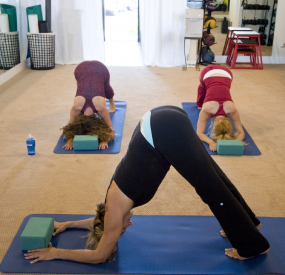
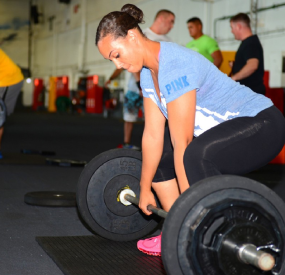
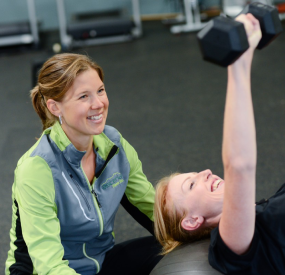
Exercise is one of the most effective natural anxiety relievers. Physical activity releases endorphins—chemicals that improve mood and reduce stress. You don’t need an intense workout; even a daily walk, stretching, or light yoga can make a difference.
Limit Caffeine and Sugar
Caffeine and excessive sugar can worsen anxiety symptoms by increasing heart rate and nervousness. Try reducing coffee, energy drinks, and sugary snacks. Opt for water, herbal teas, or foods rich in protein and fiber to maintain steady energy levels.
Focus on the Present Moment
Anxiety thrives on future worries. Practicing mindfulness helps you stay grounded in the present. Simple mindfulness techniques include:
- Focusing on your senses (what you can see, hear, feel, smell, and taste)
- Practicing short meditation sessions
- Paying full attention to one task at a time
These habits can help calm racing thoughts.
Get Enough Rest and Sleep
Lack of sleep can make anxiety worse. Create a bedtime routine that encourages relaxation, such as turning off screens early, reading, or listening to calming music. Aim for 7–9 hours of sleep per night to help your mind and body recover.
Talk to Someone You Trust
Sharing your feelings with a trusted friend, family member, or support group can provide relief. You don’t have to face anxiety alone. Talking openly helps reduce the weight of anxious thoughts and offers reassurance.
Seek Professional Help When Needed
If anxiety feels overwhelming or starts to control your daily life, seeking help from a therapist, counselor, or healthcare professional is an important step. Professional support can provide coping strategies and personalized treatment options.
Be Kind to Yourself
Healing from anxiety takes time. Avoid judging yourself for feeling anxious. Instead, practice self-compassion and remember that progress is not always linear. Small steps count.
Final Thoughts
Anxiety can feel powerful, but it does not define you. By developing healthy coping strategies, staying consistent, and seeking support when needed, you can learn to manage anxiety and live a calmer, more balanced life.
If you’re struggling right now, remember—you’re not alone, and help is always available.